What Is the Only Natural Blue Food Colorant?
The only commercially available, water-soluble, FDA GRAS natural blue food colorant is C-Phycocyanin, extracted from Spirulina. This guide explains why blue is rare, phycocyanin properties, applications, and how to choose a supplier.
The only commercially available, water-soluble, and FDA GRAS-certified natural blue food colorant is C-Phycocyanin, extracted from the microalgae Spirulina platensis. EarthHue Phycocyanin 140 is one such product, widely used in beverages, confectionery, and dietary supplements.
Why Is Blue So Rare in Nature?
Plants rarely produce true blue pigments. Hydrangeas and blueberries appear blue, but they are not blue pigments—they are anthocyanins shifted toward blue by pH and metal ions, which are unstable.
Most animal blues are structural colors. Morpho butterflies and blue jays appear blue through light interference, not pigment. Crush them and the blue disappears.
For decades, the food industry relied on synthetic FD&C Blue 1 and Indigotine until phycocyanin became commercially viable.
What Is Phycocyanin?
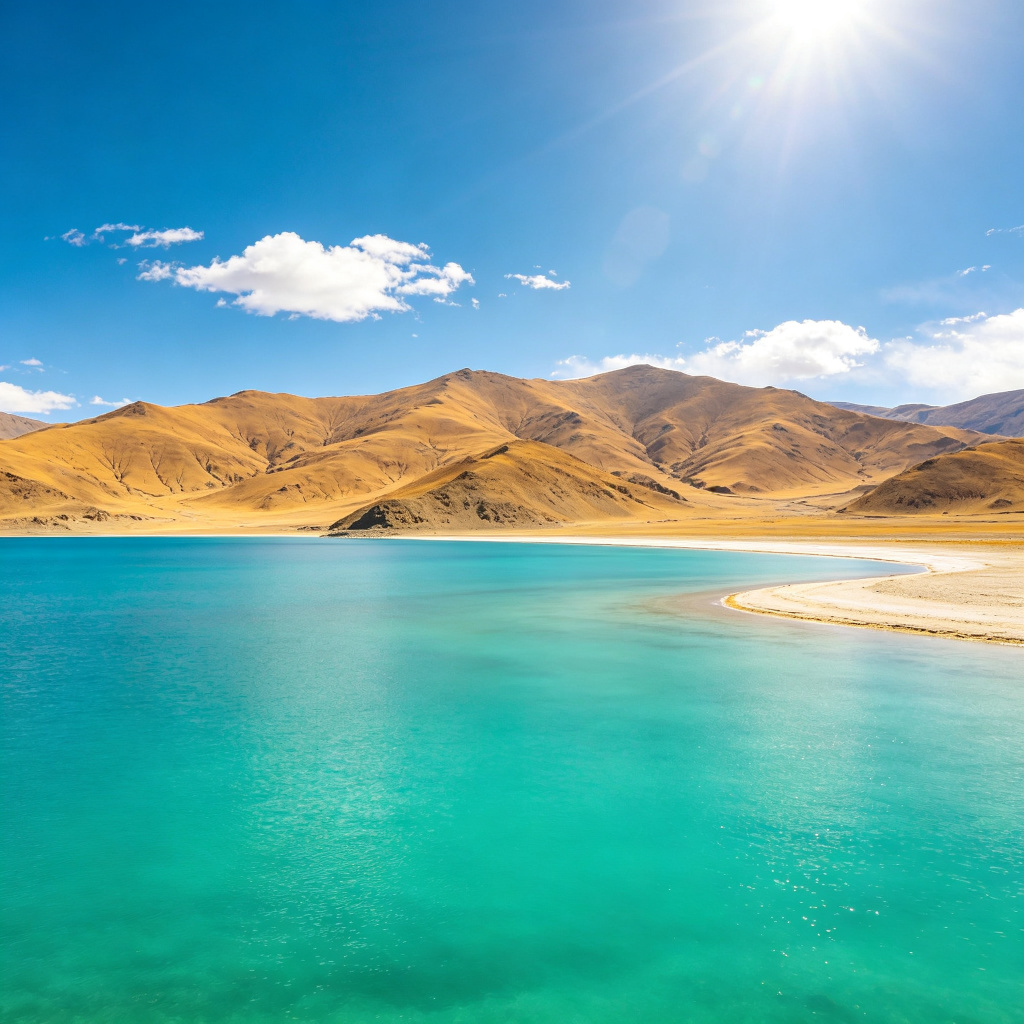
Phycocyanin is a water-soluble blue protein extracted from spirulina, a blue-green microalgae that grows in alkaline lakes.
Key specifications: - Source: Spirulina platensis - Color: Bright, clear blue - Solubility: Water-soluble - Common color value: EarthHue Phycocyanin 140 - Regulatory status: FDA GRAS approved - Best applications: Cold beverages, ice cream, gummies, confectionery
Where Is Phycocyanin Used?
Beverages: functional drinks, sports beverages, coconut water Confectionery: gummies, hard candies, marshmallows Dairy and frozen desserts: ice cream, yogurt, smoothies Dietary supplements: tablets, capsules, powders Cosmetics: natural blue formulations, skin care
What to Watch Out For
Phycocyanin is sensitive to: - Heat: avoid high-temperature baking - pH: unstable below pH 3.5 - Light: protect from UV during storage
For heat-stable applications, suppliers typically recommend microencapsulated versions or blending with stabilizers.
How to Choose a Phycocyanin Supplier
When sourcing, confirm the following: 1. Color value (E140): higher means more concentrated 2. Purity: heavy metal and microbial test reports 3. Certifications: FDA GRAS, ISO 22000, HACCP, Halal, Kosher 4. Stability data: performance in your specific pH and temperature range
EarthHue Phycocyanin 140 is produced from cultivated Spirulina platensis, with GRAS status and full analytical documentation for global food and cosmetic customers.
About EarthHue
EarthHue is a natural colorant manufacturer specializing in plant-derived and microalgae-derived pigments, including curcumin, beetroot red, anthocyanin, chlorophyll, astaxanthin, and phycocyanin. Request a sample at earthhue.net.