Fermentation-Derived Carotenoids & Natural Pigments
Ready-to-use natural colour formulations. The core range is fermentation-derived astaxanthin, lutein, lycopene, beta-carotene and zeaxanthin, supported by botanical and mineral colourants for food, nutraceutical, cosmetic and pharmaceutical use.
Fermentation-Derived
Made by controlled fermentation of yeast and microalgal strains. Year-round supply and batch-to-batch assay control.
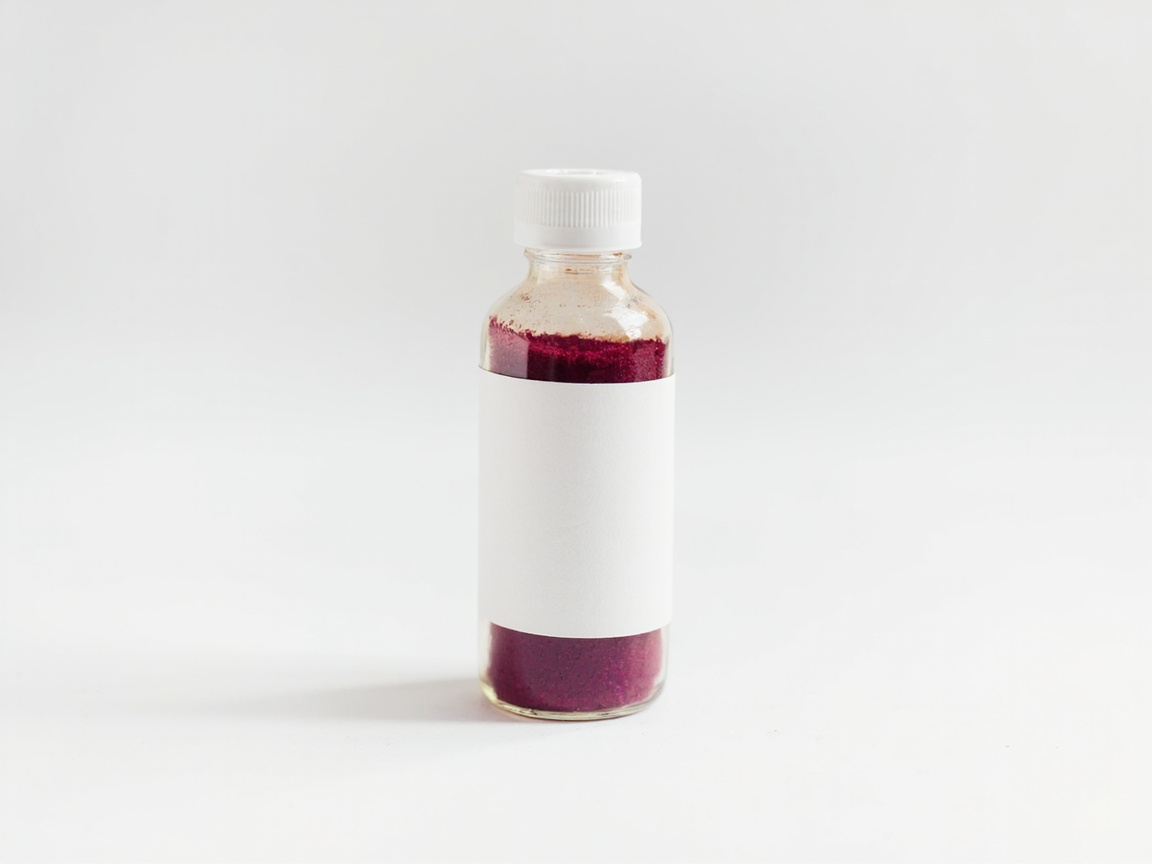
Fermentation Astaxanthin from Phaffia rhodozyma — EarthHue Asta-Yeast 110
Astaxanthin produced by controlled fermentation of the yeast Phaffia rhodozyma, then extracted and standardised into a free-astaxanthin oil suspension. The route removes harvest and seasonality from the supply chain, so assay and hue hold batch after batch and production runs all year. Delivers the same 3S,3′-S active molecule as Haematococcus at a lower cost per kilogram of active, in a grade built for food colouring, feed and nutraceutical formulations.
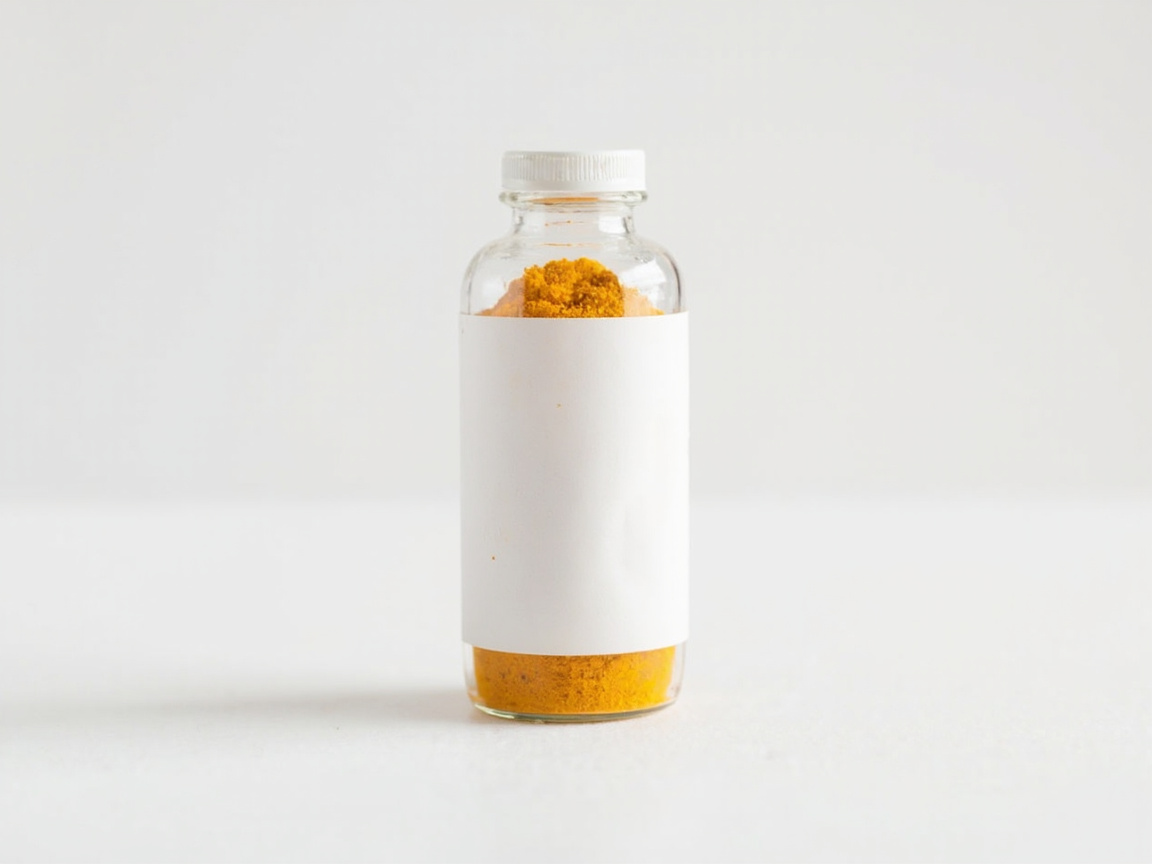
Fermentation Lutein from Xanthophyllomyces dendrorhous — EarthHue Lute-Ferm 120
Lutein produced by controlled fermentation of the yeast Xanthophyllomyces dendrorhous, then purified and standardised into a free-flowing powder. Unlike marigold lutein, which depends on a crop and a extraction yield, the fermented route gives a stable assay and colour through the year, with no pigment carry-over from the plant matrix. Intended for eye-health and antioxidant nutraceutical positions, water-dispersible colour systems and clean-label formulations.
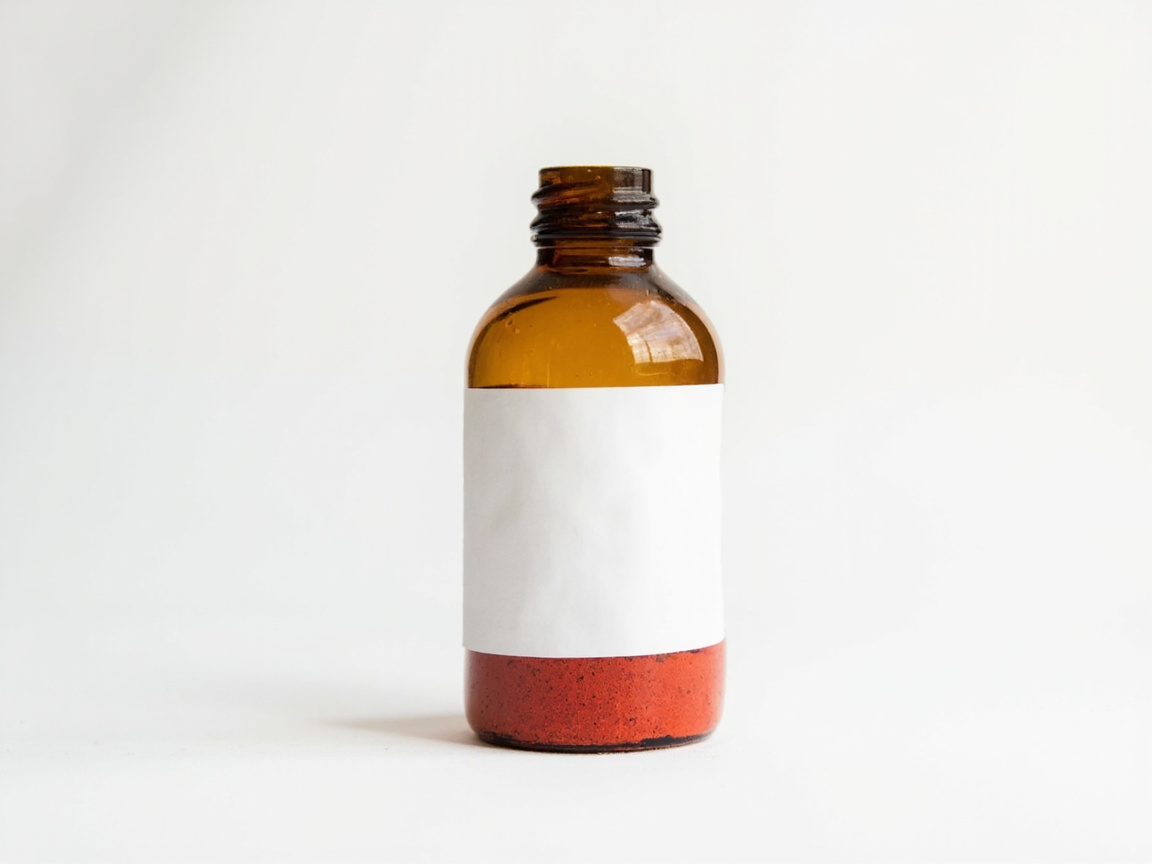
Fermentation Lycopene from Yarrowia lipolytica — EarthHue Lyco-Ferm 130
Lycopene produced by controlled fermentation of the yeast Yarrowia lipolytica, then purified and held in a stabilised oil suspension. The fermentative route delivers a consistent lycopene assay with no dependence on tomato crop quality, and it keeps working through the winter supply window when field extraction tightens. Built for functional beverages, dairy, meat analogues, bakery and nutraceutical applications that need a clean-label red that holds its hue through processing.
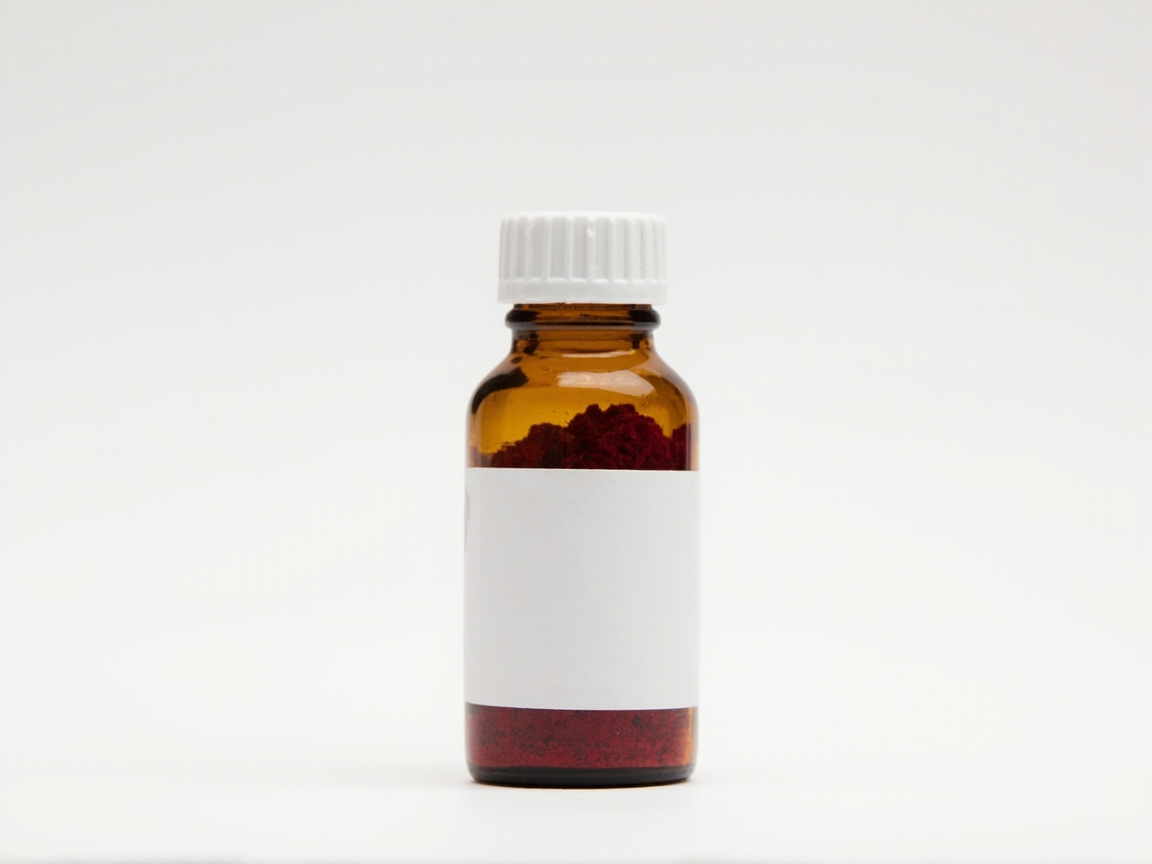
Fungal Fermentation Lycopene from Blakeslea trispora — EarthHue Lyco-Blak 131
Lycopene produced by fungal fermentation of Blakeslea trispora and supplied as a high-assay coated powder. This is the classic fermentation route for lycopene and the one behind most of the published safety and stability history, which makes it the natural choice where a documented history matters. The 10% assay powder handles applications where a high pigment loading has to fit into a small solids budget.
Fermentation Beta-Carotene from Xanthophyllomyces dendrorhous — EarthHue Beta-Ferm 140
Beta-carotene produced by controlled fermentation of the yeast Xanthophyllomyces dendrorhous and supplied as a dispersible beadlet powder. Fermentation gives a defined beta-carotene level with no dependence on either Dunaliella harvests or petrochemical synthesis, and the beadlet format disperses cleanly into both water and oil systems. Intended for food colouring, softgel and tablet nutraceuticals, and premixes.
Algal
Natural algal carotenoids and phycobiliproteins from cultivated cyanobacteria and microalgae.
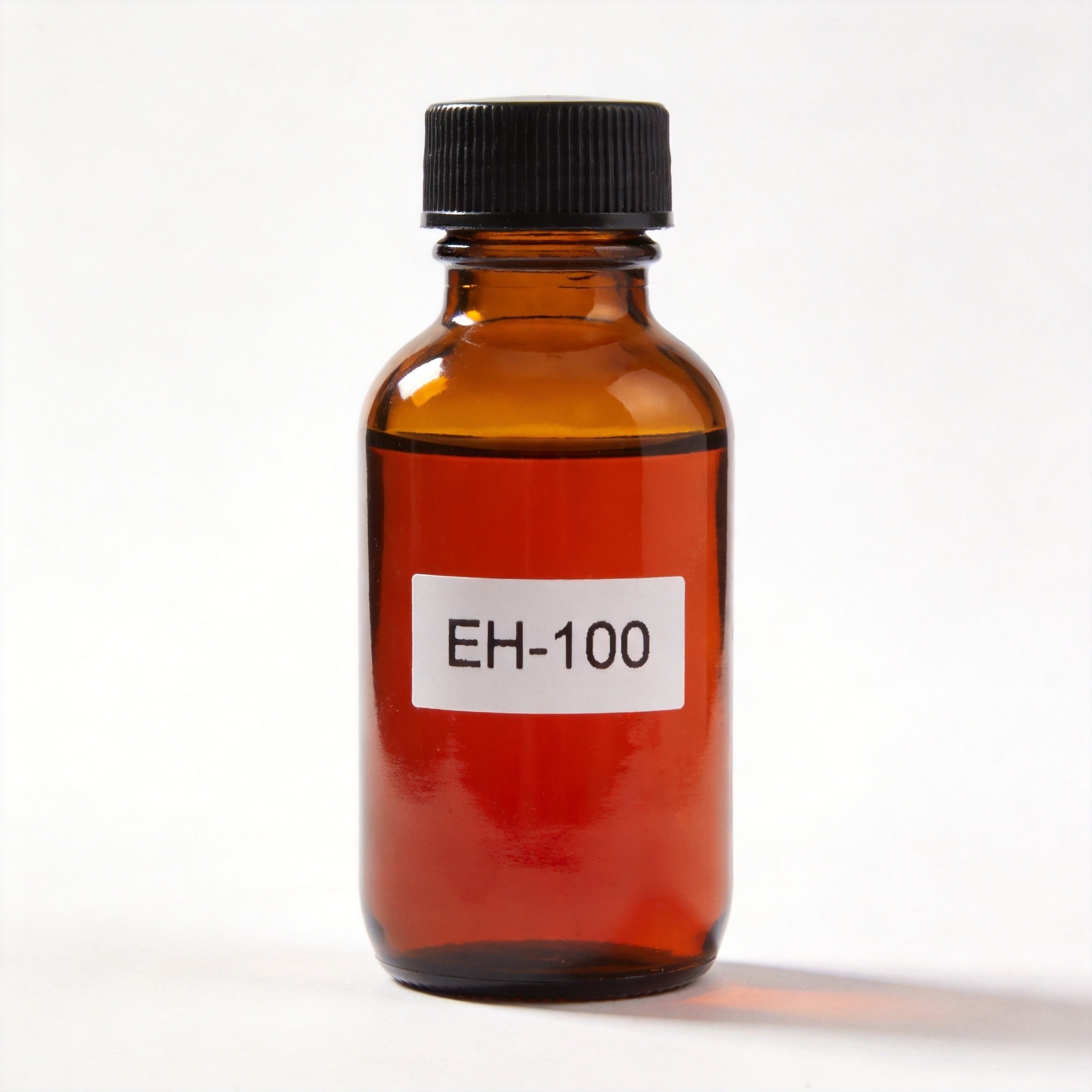
Natural Astaxanthin from Haematococcus pluvialis — EarthHue Asta-Max 100
Natural astaxanthin extracted from cultivated Haematococcus pluvialis microalgae and held as a stabilised oil suspension. This is the algal reference grade — the source behind most published astaxanthin clinical work — and it is the grade to specify when your claim or your customer's specification names one single well-characterised ingredient. It is also the more expensive option per kilogram of active. EarthHue Asta-Yeast 110 delivers the same 3S,3′-S molecule by yeast fermentation, at a lower cost per kilogram and with year-round supply. Ask for both grades and colour-match them in your own matrix.
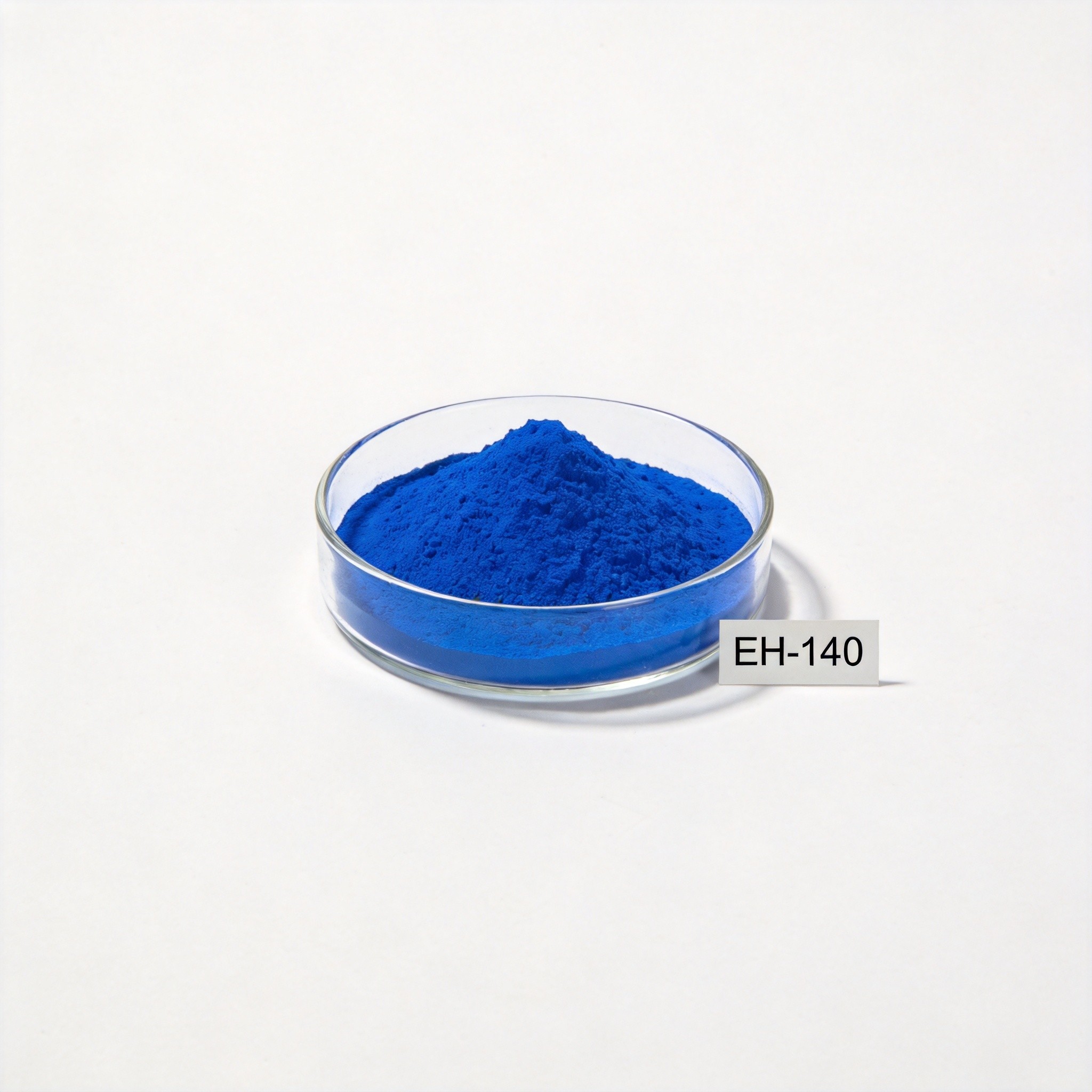
Spirulina C-Phycocyanin 25% Powder — GRAS Natural Blue Colorant EarthHue Cyano-Blue 140
A premium 25% C-phycocyanin powder extracted from Spirulina, delivering a vivid natural blue with FDA GRAS status for beverages, ice cream, confectionery, and dietary supplements.
Botanical
Plant-derived colourants: curcumin, beet, anthocyanin, chlorophyll and marigold lutein.
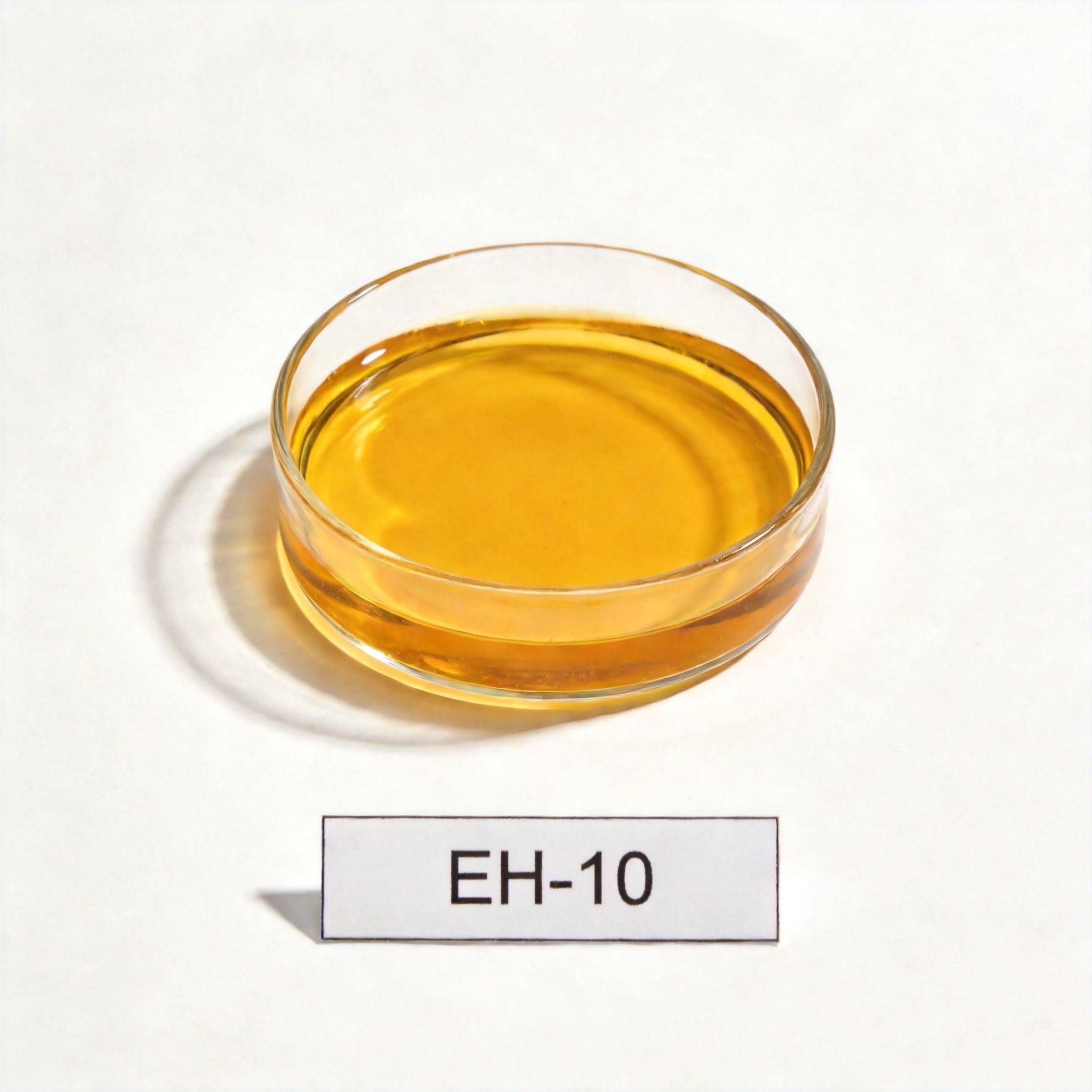
Natural Curcumin Oil-Dispersible Colorant EarthHue Curcumin 10
A high-stability curcuminoid suspension derived from turmeric (Curcuma longa), specially formulated for oil-based food, beverage, and cosmetic applications. Delivers a vibrant golden-yellow hue with excellent dispersion and clean-label appeal.
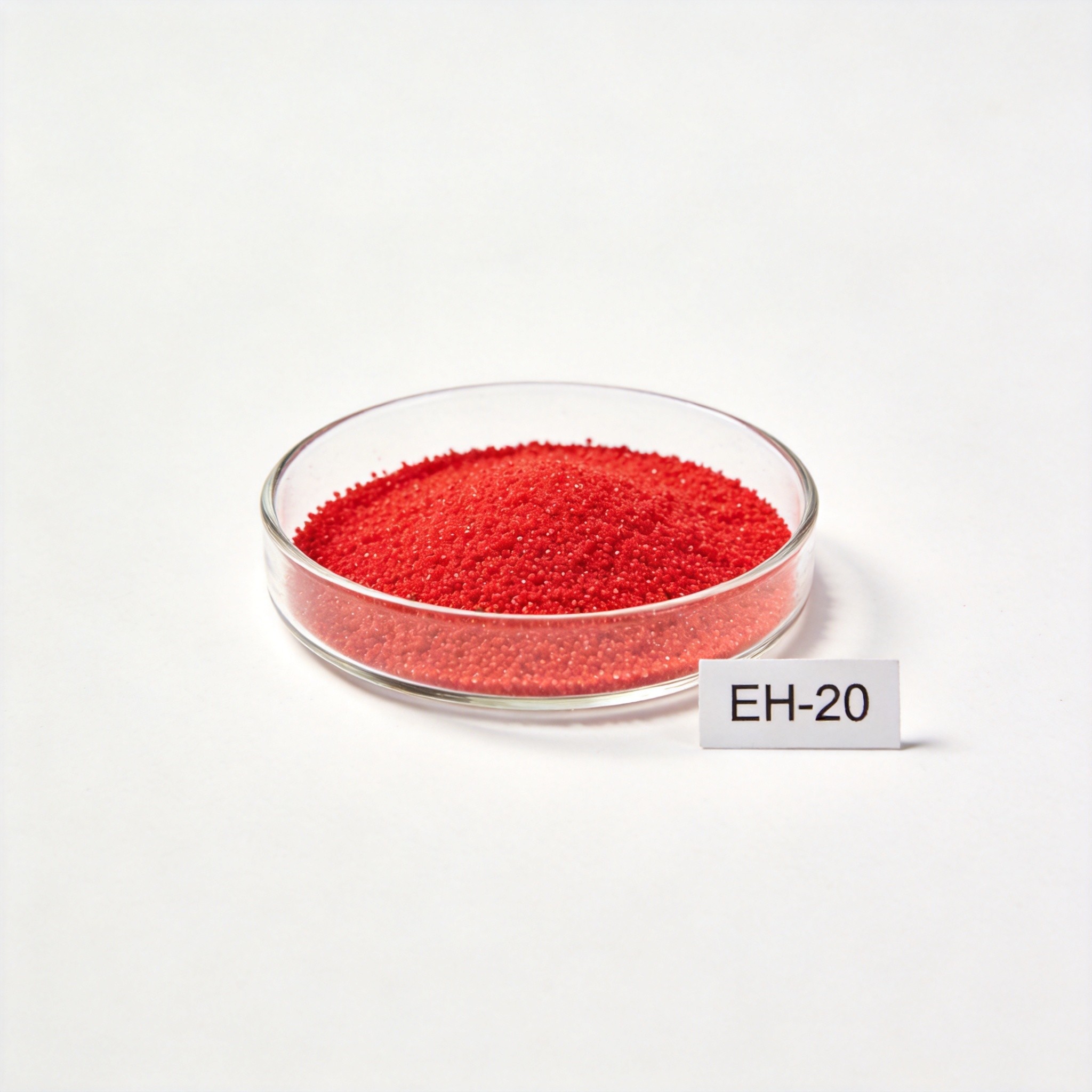
Heat-Stable Microencapsulated Beet Red Natural Colorant EarthHue Beet Red 20
A heat-stable beetroot red pigment with a protective microencapsulated coating, delivering vivid red color in dairy, frozen desserts, and snack applications while preserving the natural origin consumers prefer.
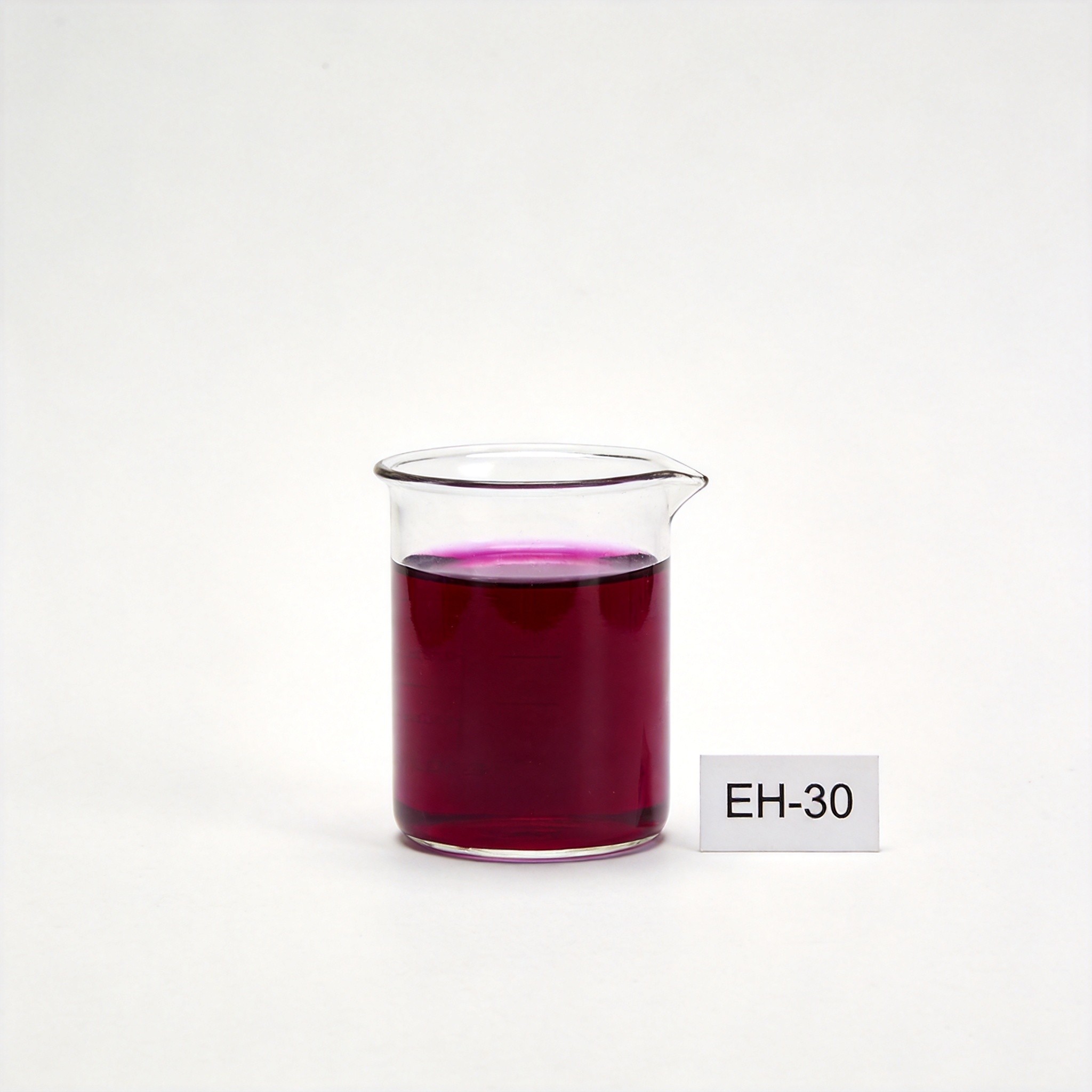
pH-Stable Anthocyanin Water-Soluble Natural Color Blend EarthHue Antho-Mix 30
A pH-stabilized blend of grape-skin and black carrot anthocyanins offering versatile red-to-purple shades for beverages, functional foods, and dietary supplements with clean-label water-soluble convenience.
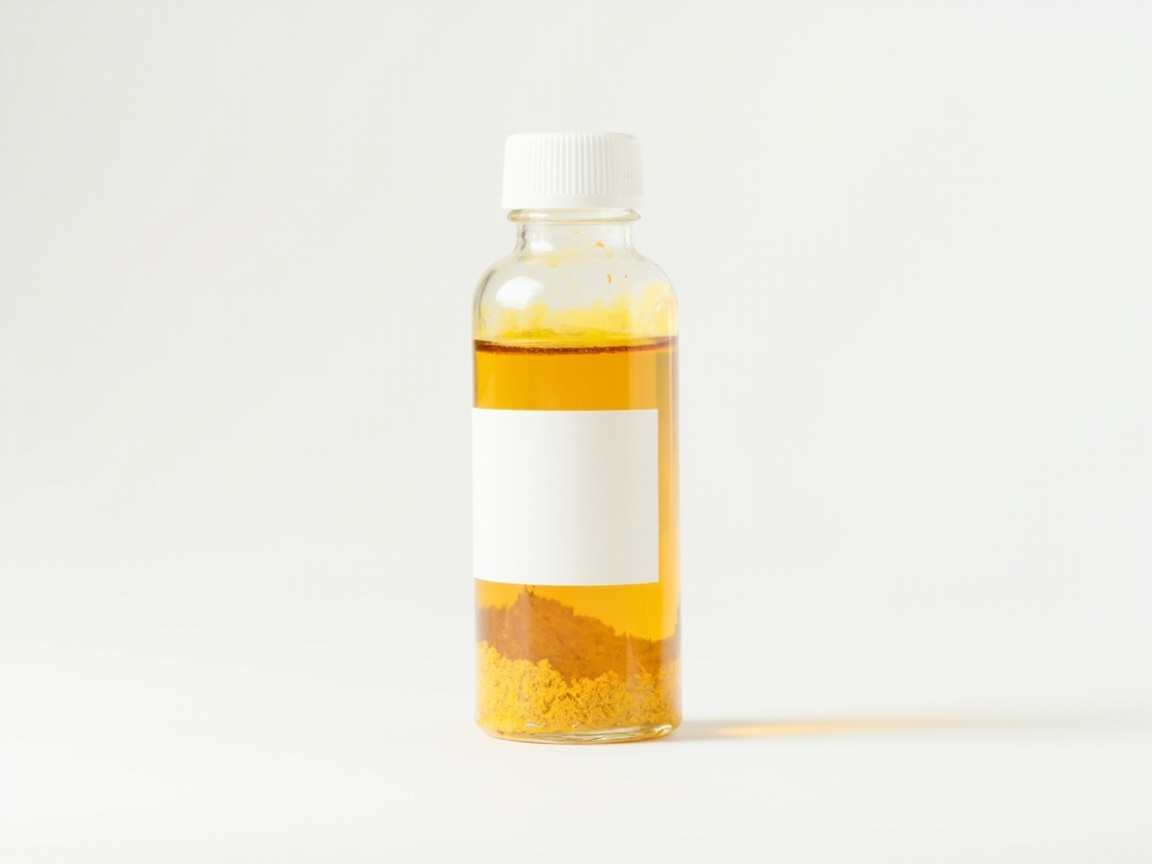
Marigold Lutein from Tagetes erecta — EarthHue Lute-Mari 121
Lutein extracted from marigold petals, standardised into a powder with a sunflower oil carrier. This is the long-established botanical reference grade for eye-health and antioxidant nutraceutical formulations, and the one most published lutein clinical work is built on. We supply it alongside our fermentation lutein so buyers can colour-match and assay-compare the two routes in their own matrix before choosing.
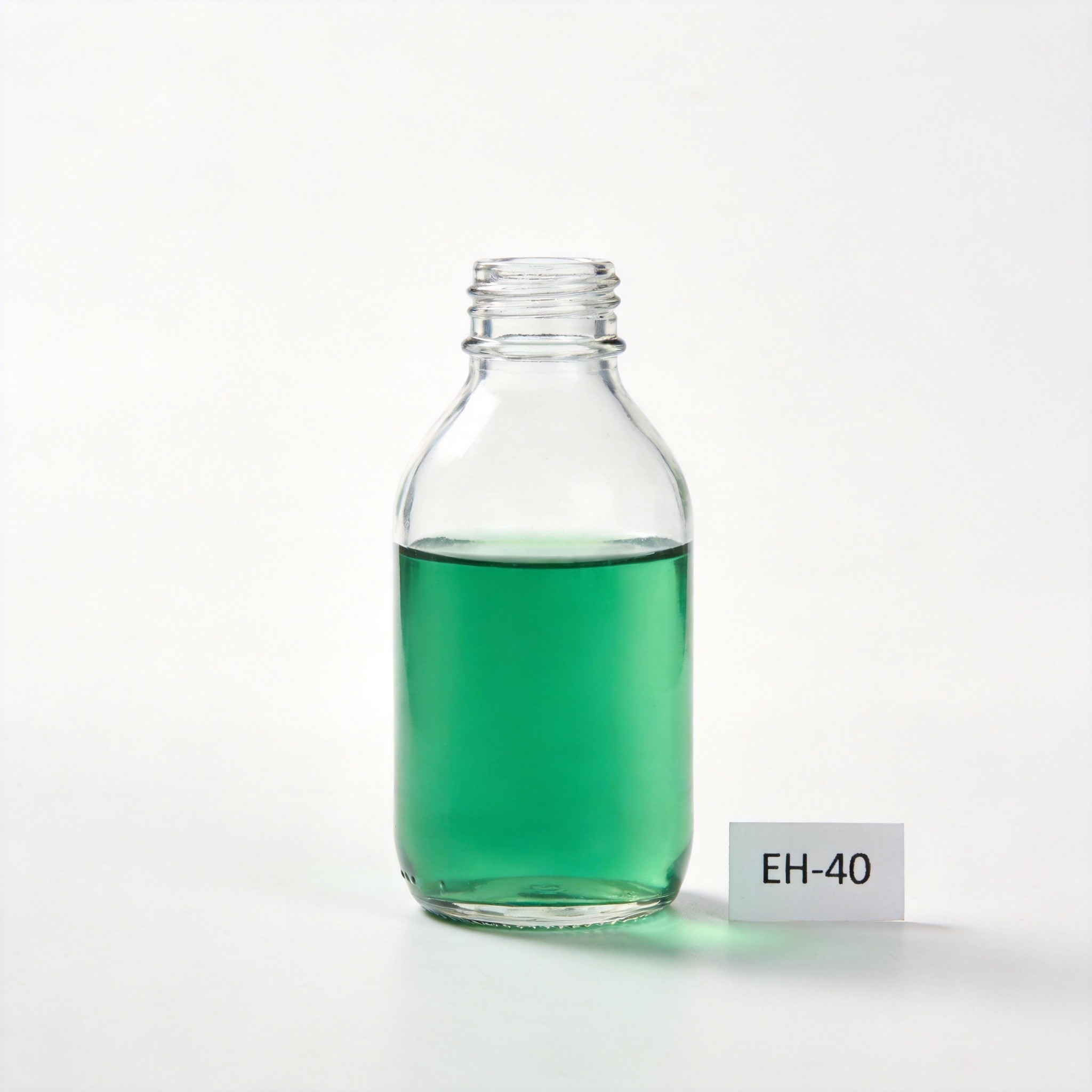
Copper-Free Natural Chlorophyll Green Colorant for Clean Labels EarthHue Chlorophyll 40
A natural green chlorophyll colorant in a copper-free formulation, ideal for clean-label tea beverages, mint products, and health foods where unmodified plant origin and minimal processing are paramount.
Need a Custom Fermentation Product?
Custom strain development, assay targets, carriers and encapsulation are all in scope. Our fermentation team can build a carotenoid formulation around your colour target, application and target market.
Contact Our Fermentation Team