Precision fermentation · Natural carotenoids
Astaxanthin, Lutein and Lycopene — Produced by Precision Fermentation
EarthHue manufactures fermentation-derived natural carotenoids for food, nutraceutical, cosmetic and pharmaceutical formulators. Batch-level COA and MSDS, EU/US/Japan/Korea documentation, MOQ 1 kg.
- COA and MSDS with every batch
- MOQ 1 kg — samples shipped in 7 days
- EU · US · Japan · Korea documentation
Core series
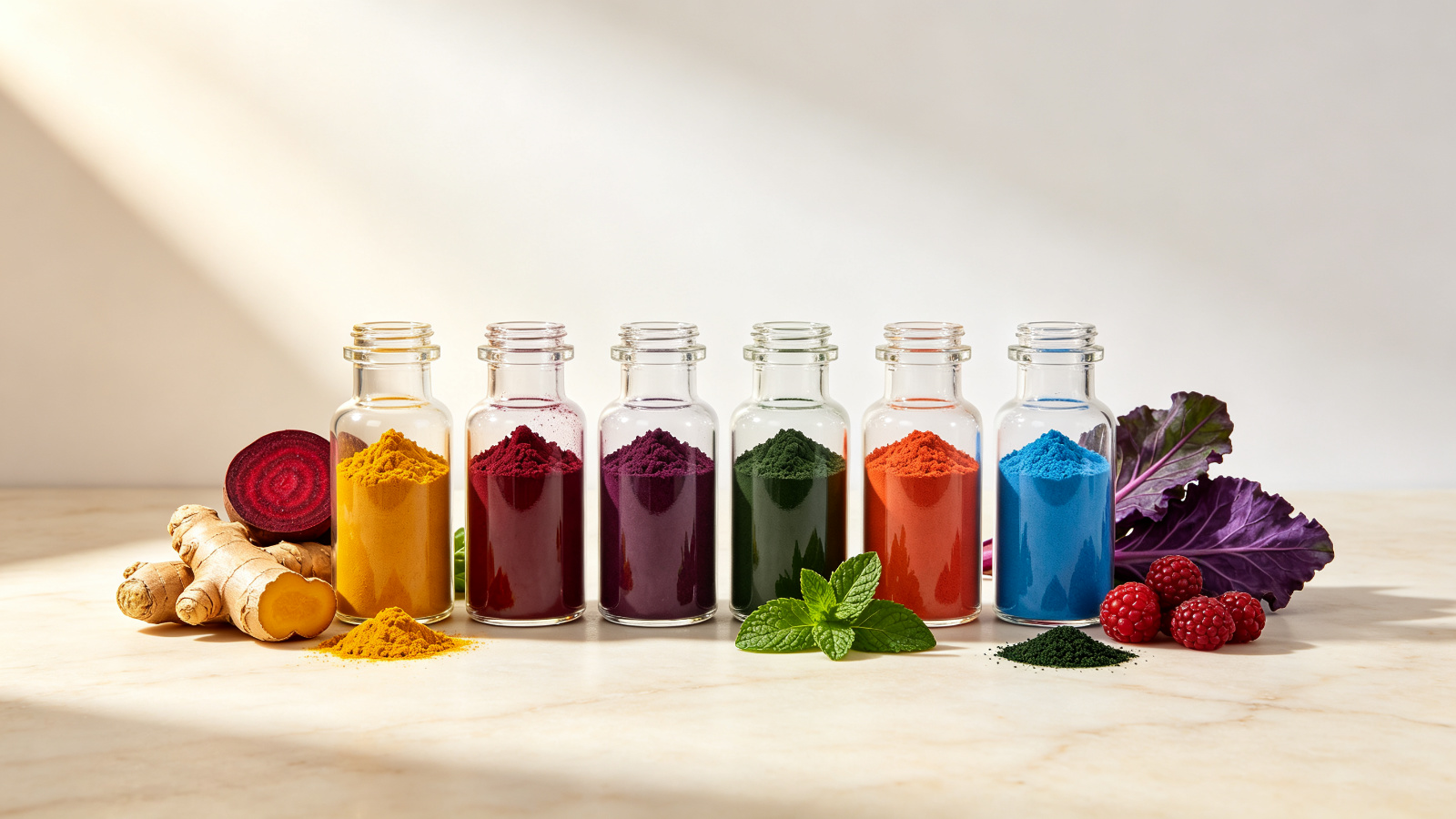
Three carotenoids, one fermentation platform
Each series runs on a documented strain under controlled fermentation, then is purified, dried and standardised into a shelf-stable powder or oil suspension.
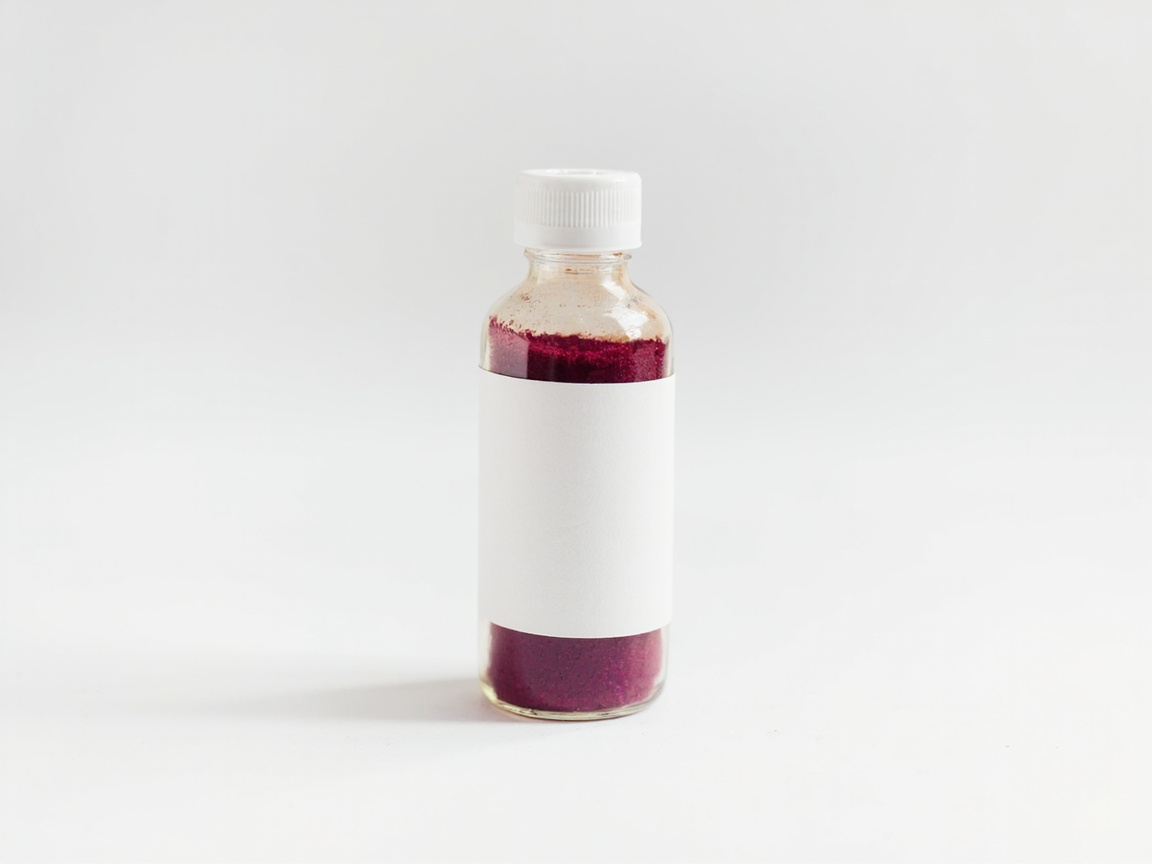
Fermentation Astaxanthin from Phaffia rhodozyma — EarthHue Asta-Yeast 110
Astaxanthin produced by controlled fermentation of the yeast Phaffia rhodozyma, then extracted and standardised into a free-astaxanthin oil suspension. The route removes harvest and seasonality from the supply chain, so assay and hue hold batch after batch and production runs all year. Delivers the same 3S,3′-S active molecule as Haematococcus at a lower cost per kilogram of active, in a grade built for food colouring, feed and nutraceutical formulations.
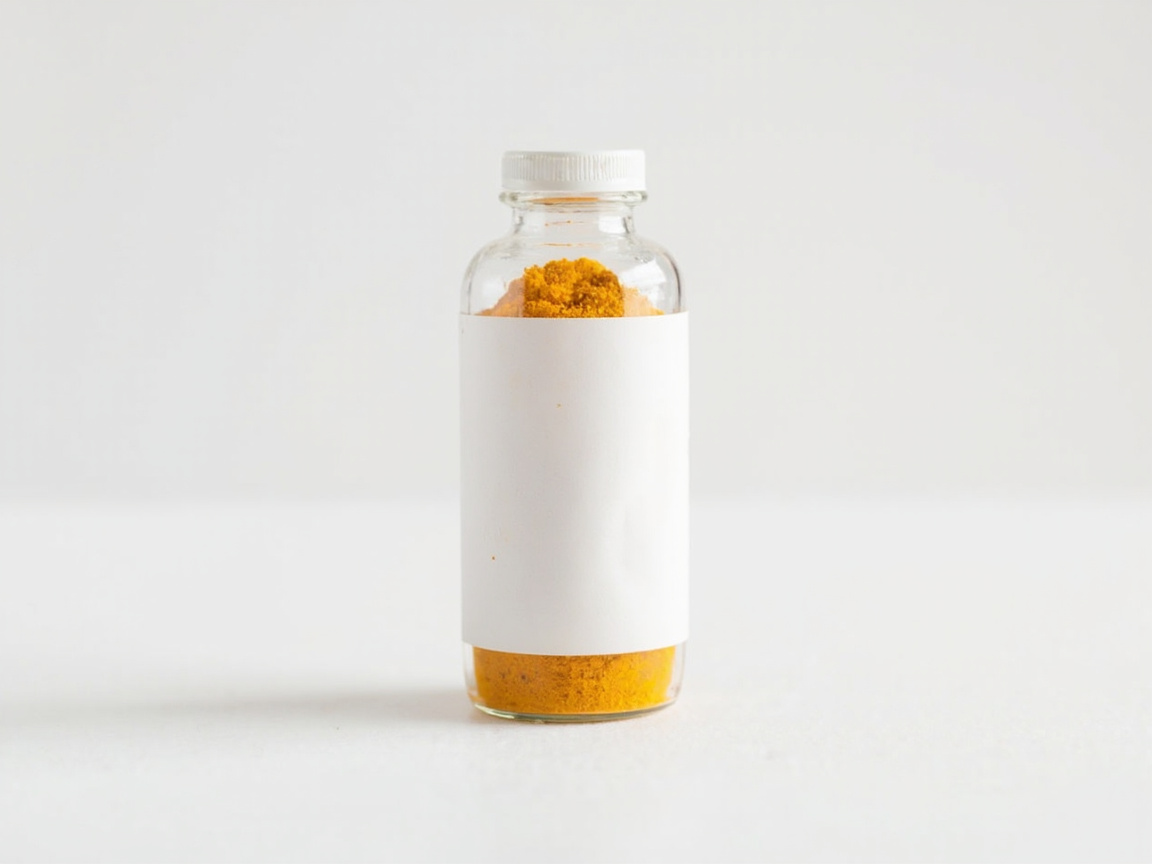
Fermentation Lutein from Xanthophyllomyces dendrorhous — EarthHue Lute-Ferm 120
Lutein produced by controlled fermentation of the yeast Xanthophyllomyces dendrorhous, then purified and standardised into a free-flowing powder. Unlike marigold lutein, which depends on a crop and a extraction yield, the fermented route gives a stable assay and colour through the year, with no pigment carry-over from the plant matrix. Intended for eye-health and antioxidant nutraceutical positions, water-dispersible colour systems and clean-label formulations.
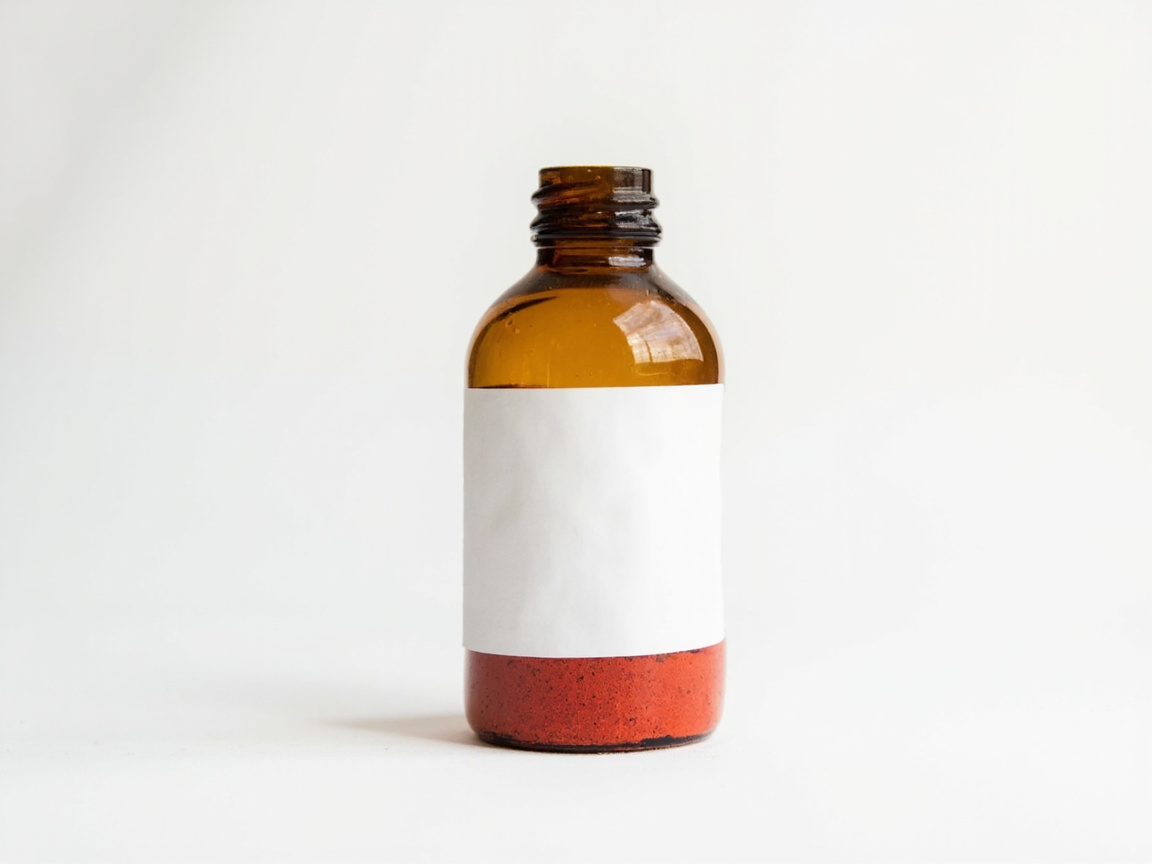
Fermentation Lycopene from Yarrowia lipolytica — EarthHue Lyco-Ferm 130
Lycopene produced by controlled fermentation of the yeast Yarrowia lipolytica, then purified and held in a stabilised oil suspension. The fermentative route delivers a consistent lycopene assay with no dependence on tomato crop quality, and it keeps working through the winter supply window when field extraction tightens. Built for functional beverages, dairy, meat analogues, bakery and nutraceutical applications that need a clean-label red that holds its hue through processing.
What fermentation changes
Fermentation-derived carotenoids, explained in one paragraph
Fermentation-derived carotenoids are colour molecules made by culturing a specific yeast or microalgal strain in a closed bioreactor and then extracting and purifying the pigment. The route removes harvest and seasonal yield from the equation: the same strain and the same fermentation protocol deliver the same assay and the same hue batch after batch, and production runs all year round. For a formulator that means a colour that behaves predictably in the pilot tank and still behaves predictably at ten-tonne scale.
Assay you can plan around
Every lot is assayed by HPLC against a reference standard, and the certificate of analysis travels with the shipment.
Supply independent of the harvest
Closed-tank fermentation decouples your supply from crop failure, weather and seasonality.
A banked strain library
Production strains are genotyped and maintained in-house, so a re-order two years later still matches the original specification.
Source comparison
Astaxanthin: yeast, microalgae or synthetic
Same molecule, three routes. Which one fits your formula comes down to colour target, dosage form and regulatory file — not on the word “natural”.
| Yeast (Phaffia rhodozyma) | Microalgae (Haematococcus) | Synthetic | |
|---|---|---|---|
| Production route | Closed fermentation | Outdoor cultivation, then extraction | Chemical synthesis |
| Typical commercial assay | 2–5% in oil suspension | 1–5% in oil suspension | 10–90% crystalline or ester |
| Relative cost per kg of active | Low | High | Lowest |
| May be declared natural | Yes | Yes | No |
| Typical use | Food colour, feed, nutraceuticals | Premium nutraceutical colour | Aquafeed, high-strength colouring |
Manufacturing
Capacity and quality control, in numbers
How we make it
From strain bank to sealed drum
- 1
Strain selection and banking
Production strains are genotyped, deposited and maintained in-house so a specification can be reproduced years later.
- 2
Controlled fermentation
Strains are cultivated in closed stainless-steel bioreactors with monitored pH, dissolved oxygen and temperature.
- 3
Cell harvest and pigment release
Biomass is harvested and the cell wall broken to release the pigment into a clean, low-solids stream.
- 4
Purification and concentration
Pigment is purified by membrane and chromatography steps, then concentrated to the target assay.
- 5
Drying, milling and QC release
Powder or oil suspension is standardised and filled into sealed drums, released only after HPLC, ICP-MS and microbiology pass.
Where our carotenoids end up
Food & Beverage
Beverages, dairy, bakery, confectionery and meat analogues that need clean-label colour.
Browse the catalogueNutraceutical & Dietary Supplement
Capsules, tablets, powders and softgels for eye health, skin, sports nutrition and antioxidant positions.
Browse the catalogueCosmetics & Personal Care
Serums, creams, colour cosmetics and haircare using the oil-dispersible and suspension grades.
Browse the cataloguePharmaceuticals
Excipient-grade colour for film-coated tablets, capsules and topical preparations.
Browse the catalogueDocumentation that survives a supplier audit
Every shipment ships with a COA and MSDS. Regulatory files, allergen and GMO statements, halal and kosher certification and stability data are available per SKU.
See certifications →- HPLC and UV-Vis identity and assay
- ICP-MS heavy metals (Pb, As, Cd, Hg)
- Microbial limits to USP/EP
- 40 °C / 75 % RH accelerated stability
Catalogue
Ready-to-use pigment formulations.
Fermentation Astaxanthin from Phaffia rhodozyma — EarthHue Asta-Yeast 110
Fermentation Lutein from Xanthophyllomyces dendrorhous — EarthHue Lute-Ferm 120
Fermentation Lycopene from Yarrowia lipolytica — EarthHue Lyco-Ferm 130
Fungal Fermentation Lycopene from Blakeslea trispora — EarthHue Lyco-Blak 131
Fermentation Beta-Carotene from Xanthophyllomyces dendrorhous — EarthHue Beta-Ferm 140
Natural Astaxanthin from Haematococcus pluvialis — EarthHue Asta-Max 100
Natural Curcumin Oil-Dispersible Colorant EarthHue Curcumin 10
Heat-Stable Microencapsulated Beet Red Natural Colorant EarthHue Beet Red 20
Questions formulators ask us first
What is the difference between fermentation astaxanthin and Haematococcus astaxanthin?
Can you supply a COA and MSDS for every batch?
What is your minimum order quantity?
How stable are these pigments?
Do you supply samples before we commit to a volume?
Can you develop a custom fermentation product?
Latest Articles
After synthetic dye phase-outs, how should a formulator build a clean-label colorant decision tree?
The fastest defensible sequence is: target shade → matrix conditions → regulatory status → cost-in-use → supplier documentation. For water-based red/pink, first compare beetroot red (E 162) and anthocyanins (E 163); for orange/yellow, compare beta-carotene (E 160a) and curcumin (E 100); for tomato-r
How do you prevent carotenoid color and activity loss from light, heat, and oxygen in foods and supplements?
Carotenoids lose color mainly through light-catalyzed *trans*-to-*cis* isomerization and oxygen-driven oxidation; heat accelerates both pathways. The most practical defenses are selecting a stable delivery form — oil suspensions or beadlets rather than unprotected dry powders — and packaging in opaq
How do I specify a natural carotenoid for formulation: assay, carrier, form and stability?
Start with a closed specification that fixes the active assay as % total carotenoids and the active isomer or ester distribution, names the carrier and physical form, and sets a minimum assay after storage. Commonly available commercial grades include about 2.5% to 10% astaxanthin, 5% to 20% lutein
Send us your specification
Tell us the target colour, application, volume and target market. We come back with a specification sheet, a sample COA and a price — usually within one business day.
Request a quote
Curious about the colours themselves?
Visit Color Aesthetics →